
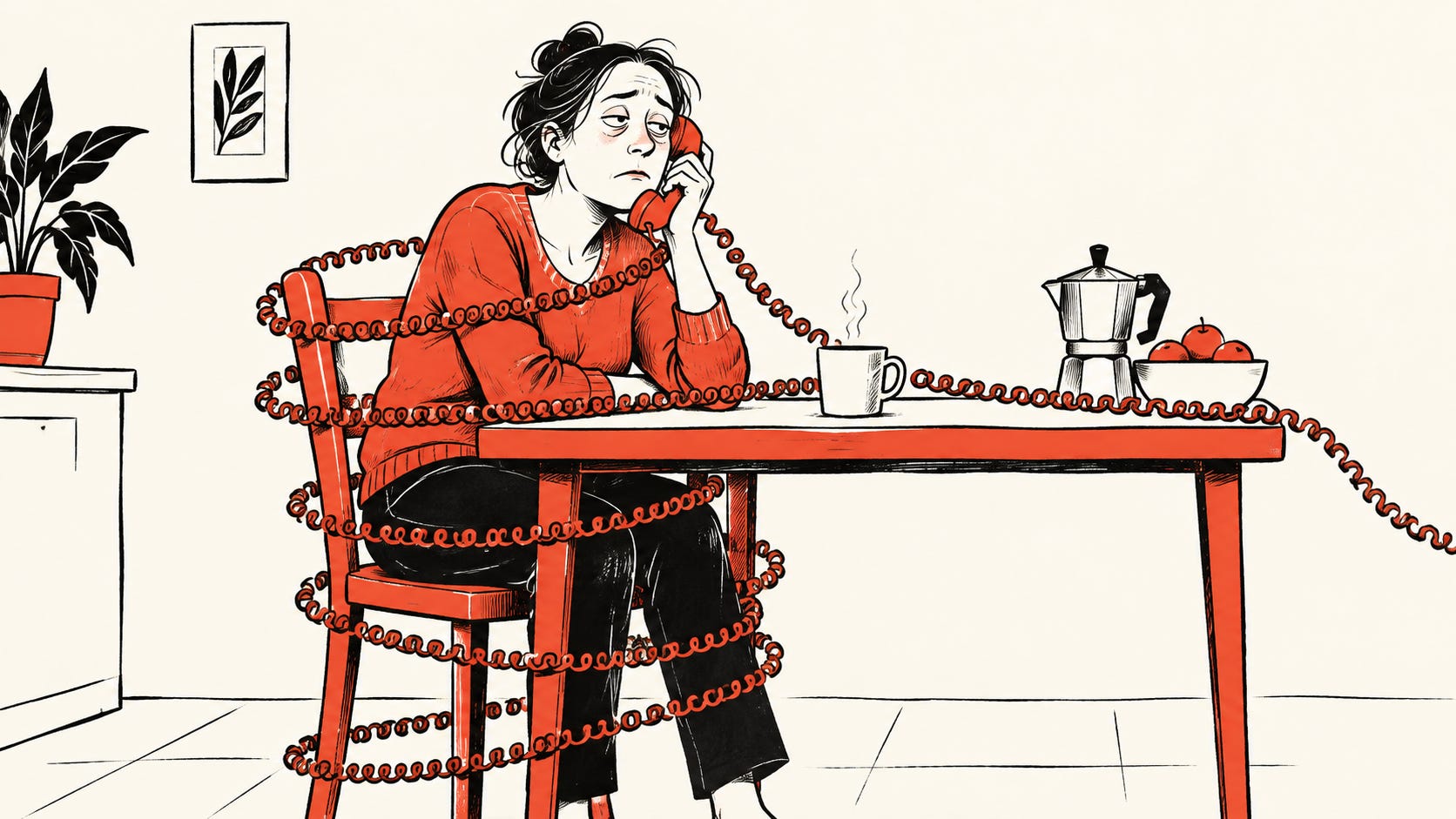
I love coffee, and lately I was quite frustrated with the temperature of the coffee from my machine, so I checked it, and it turned out to have a crack in the heating plate, likely because of poor design. This is a top-end drip machine. I asked one of my agents to find me alternatives, and along with a good recommendation, it came back saying ... but your coffee machine is still under warranty. I would normally have been a bit lazy about dealing with whatever customer service this company provided. The agent did this for me and got me a full refund. Two years and six months after the purchase, I got to switch to a new coffee machine for free. Sweet.
That made me think. There are a significant number of businesses whose profit margins, one way or another, benefit from friction in their customer journeys, whether deliberate or not. It can be a subscription you no longer want, a warranty claim you never submit, or an incorrect charge that is too small to spend an afternoon disputing. It can also be the effort of switching to a better offer. I even leave potential tax savings alone because I don’t want a more complicated tax return next year. We leave the money there because getting it back takes more effort than we want to spend.
This can grow out of the way a company measures success. In a large organisation, teams keep testing small changes. If the winning version is the one that produces more sign-ups or fewer cancellations, making the customer’s choice harder can look like progress. One extra screen, one more reminder, one less obvious button. Each team can improve its own numbers while the whole experience gets worse for the customer.1
In a recent paper, researchers studying ten subscription services estimate that delayed cancellation raises revenue by 87% or 120% on average, depending on whether they model inattention or the effort of cancelling. These are alternative estimates, with prices and the initial group of subscribers held fixed. They estimate the effect on revenue, not profit.
Agents, especially those of the latest generation, are very good at removing this friction. This is partly for two reasons: 1) they are infinitely patient, and 2) they have become really good at using human interfaces, what we normally call computer use. Filling out a customer service form... got it. Making your case in a customer support chat... easy peasy. Writing a long, legal-sounding email to dispute a wrong charge... they can do it with their eyes closed.
That’s why these stories are becoming viral. They are cool. They bring justice to the small guy, and everyone loves saving money.
Now... let’s think about the second derivative of this. When we get to a world where agents are ubiquitous and friction does not work anymore to increase profit margins... what are the implications?
Some of this extra revenue becomes profit, and some can fund a lower base price (reference). Customers who avoid extra charges can benefit from what others pay. I think something similar can happen with all businesses that depend on friction.
Your gym can cost €33 a month because 80% of people pay and don’t go, and a significant number of them continue paying to avoid the shame of cancelling in person. The government (at least in Spain) gives you a 50% discount on traffic fines because, if you properly appealed them, it would likely lose many of those cases.
That is good in the short term, especially for early adopters who, like me, have saved a few hundred euros by cancelling random stuff and making small claims they would otherwise have left alone. Now, this is kind of a one-off. Once you are “clean” of friction subscriptions... you are done.
Hayek compared the spread of new money to honey poured into a vessel: it builds up where it lands before spreading out. The parallel here is timing. Early agent users can enjoy the existing deal while avoiding unwanted payments, before companies change their prices or terms.
I expect some companies to fight this before they change their prices. Another page or a longer queue will do less to stop an agent than it does to stop me. Companies that depend on that friction will have a reason to block agents or insist that the customer finish the process personally.
My bet is that businesses which depend heavily on customer inaction will change their offers as agents become common. Some will raise the base price. Others will offer fewer discounts or narrower benefits. If part of today’s cheap deal is paid for by customers who forget to cancel or never make a claim, that deal gets harder to sustain when an agent acts for them. AI can also reduce costs and make switching easier, so I don’t expect the same result everywhere.
A higher listed price can still leave me spending less overall if I stop paying for things I don’t use.
The FTC’s 2023 complaint alleged that Amazon slowed or rejected changes that would have made Prime easier to cancel because those changes would hurt profits.